
Commercial Fishing & Marine
Maritime
Fabrication
We’re the high-volume fabricator that finishers, fabricators, and construction teams turn to.

What clients say:
LCNW offers fast, competitive quotes, high-quality work, on-time delivery, cutting-edge manufacturing technology, and a top-notch team throughout the company at all levels.
- Mike T. | Production Manager
Manufacturer
From Yacht Builders to Deep Sea Fishing
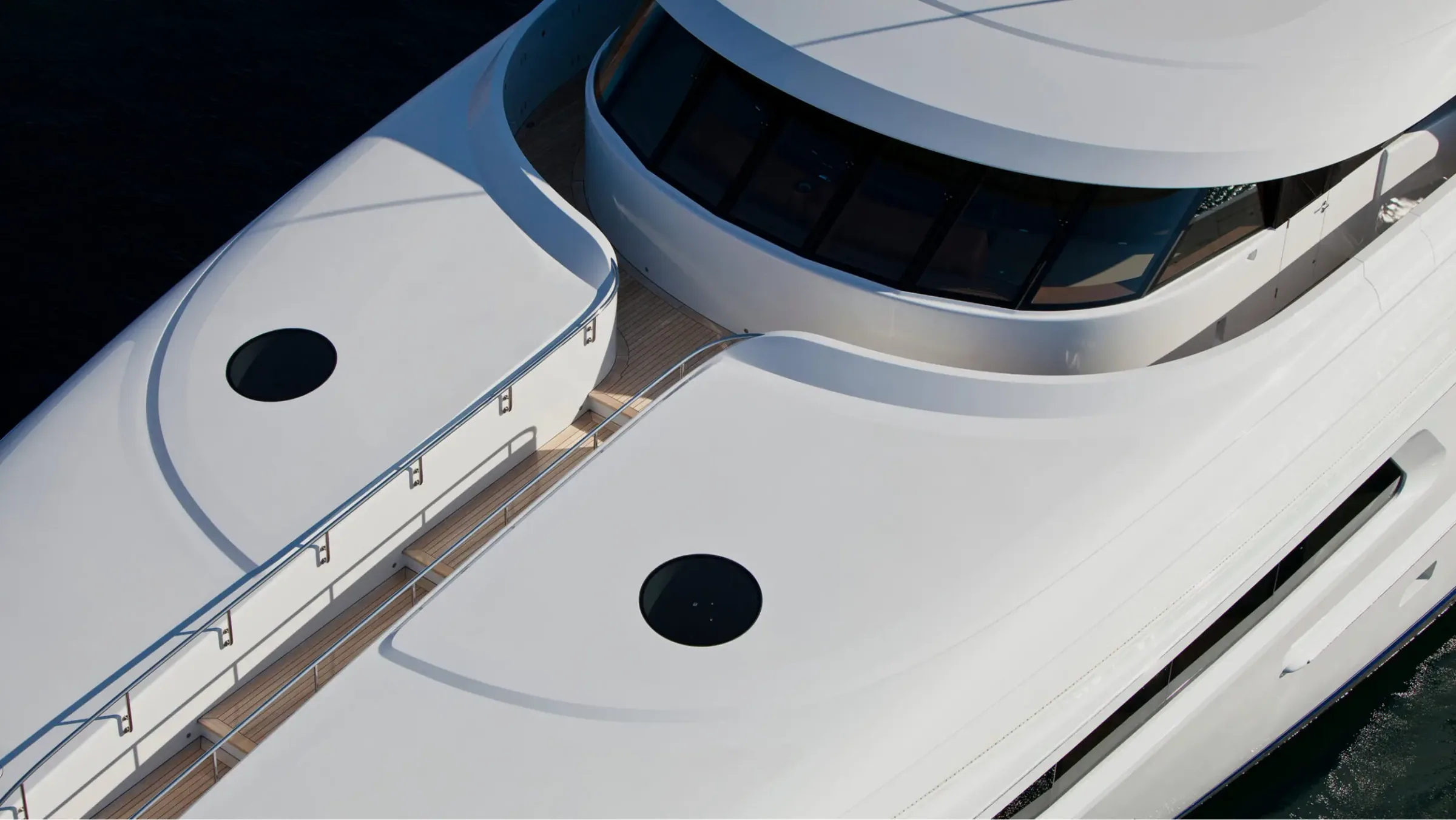
We’re providing a range of fabrication services to the Marine industry.
- Commercial fishing equipment
- Dock and pier components
- Vessel parts and retrofits
- Corrosion-resistant hardware.
We’re not just a vendor. We’re a full-service metal fabrication team with the tools, people, and systems help you scale.
What types of marine companies do we work with?
LCNW partners with businesses across the marine industry, including:
- 01Commercial fishing
Commercial fishing operations that need corrosion-resistant hardware, equipment enclosures, and vessel-mounted components built to withstand harsh saltwater environments
- 02Docks & marinas
Dock and marina contractors sourcing fabricated parts for pier systems, gangways, ladders, and support frames
- 03Shipbuilders & retrofits
Shipbuilders and retrofitting specialists requiring custom-formed panels, watertight enclosures, and stainless structural supports
- 04Marine hardware OEMs
OEMs producing winches, davits, and other marine hardware needing precision-cut parts and welded assemblies
- 05Harbor & infrastructure
Harbor maintenance and marine infrastructure teams who rely on rugged, production-ready metalwork for long-term exposure and heavy-duty use
- 06Don’t see your team here?
If you buy cut, formed or welded metal parts, send us a drawing and we’ll tell you how we’d build it.
Start a quote →
What our LCNW customers say
“They take pride in their work, and it shows in the finished product.”
- Jeff E. | Mechanical Engineer
Architectural Manufacturing
Capabilities
Parts, Weldments, and More
Since 1992, LCNW has been committed to leading in precision parts manufacturing. We do this by integrating advanced technology — from automated material handling to high-speed cutting systems — to streamline production and elevate quality.
Built for Salt, Stress, and Sea Conditions
Marine environments are unforgiving. From corrosion and vibration to constant exposure and load, your parts need to perform without fail. At LCNW, we fabricate metal components built to withstand the realities of shipbuilding, dockside infrastructure, and offshore operations.
Our team works with marine engineers, fabricators, and OEMs to deliver durable, high-spec parts—on time and to spec. Our in-house capabilities include:
- Material sourcing from vetted U.S. mills and distributors
- Marine-grade stainless, aluminum, and galvanized steel
- Laser cutting and forming for hull parts, brackets, panels, and housings
- CNC machining for tight-tolerance mating components
- Welding for watertight or load-bearing assemblies
- Corrosion-resistant coatings and finishes
American Fabrication for Maritime Applications
Every part is made in the U.S. and built for repeatability and ruggedness. Whether you’re fabricating a new vessel or repairing a critical system, we’re equipped to meet your timeline and performance requirements.
At LCNW, we understand the demands of marine fabrication—because we’ve built for it. If you’re dealing with inconsistent suppliers or lead times that don’t work with your dock schedule, let’s talk.
We’ll build what you need. And we’ll get it there on time.
Let’s Chat
From first-stage processing to finished assemblies, we’re your partner for contract manufacturing.
Industries we serve
Same shop, other industries
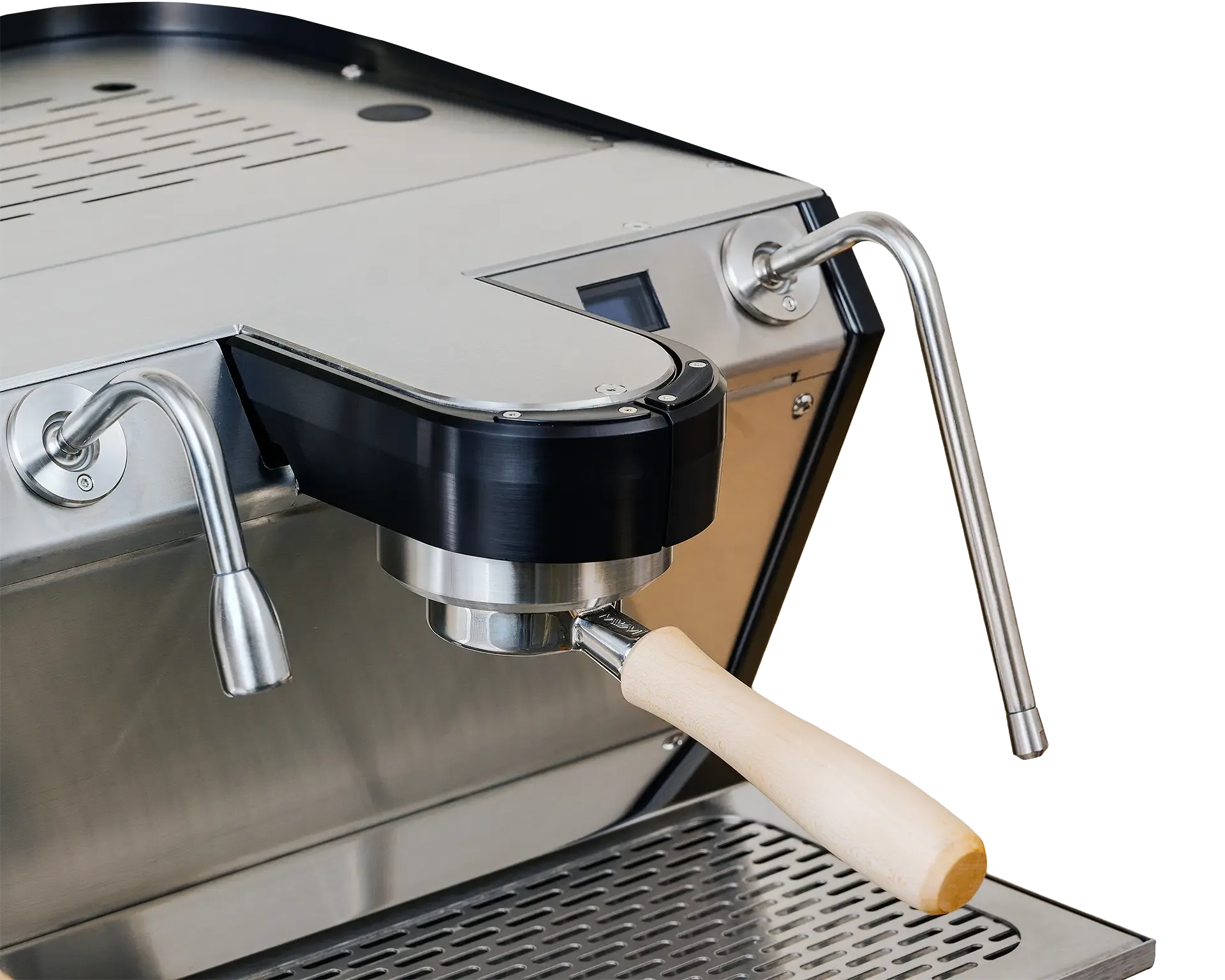
Since 1992, LCNW has run more than 129,000 jobs for over 1,000 customers, from espresso machines to ship interiors. The same 100,000 sq ft shop in Auburn, WA, the same automated lasers and robotic weld cells, and the same ISO 9001 quality system carry a one-off prototype and a national production rollout alike. Whatever your industry, you get a partner that has already solved problems like yours for someone else.
 CommercialHigh-volume fabrication for barrier systems, vending enclosures, chassis, and machine housings.
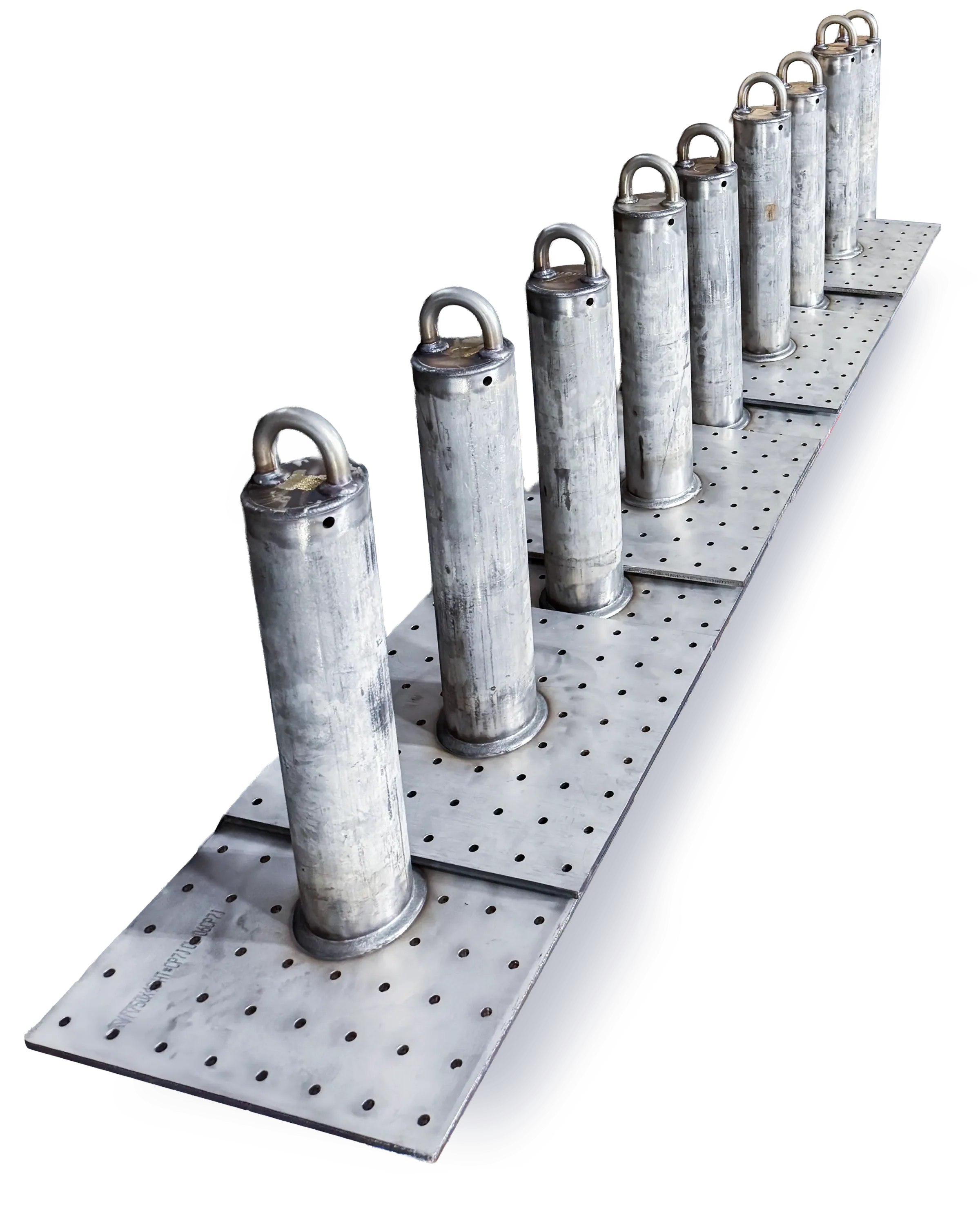 ConstructionSteel structures, power unit skids and safety products, welded for strength.
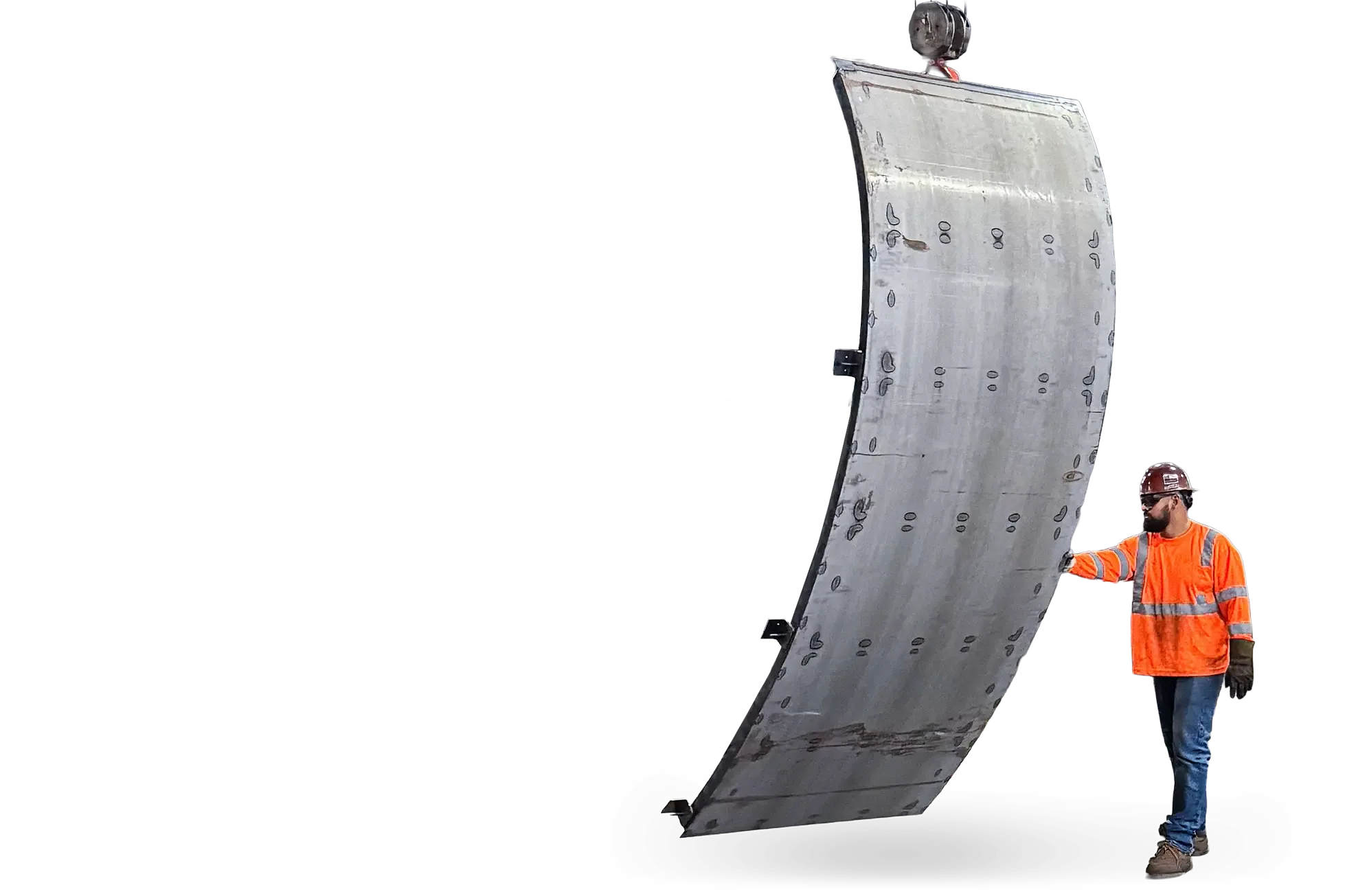 ArchitecturalPrecision-cut panels, formed components, structural steel and welded assemblies, to spec.
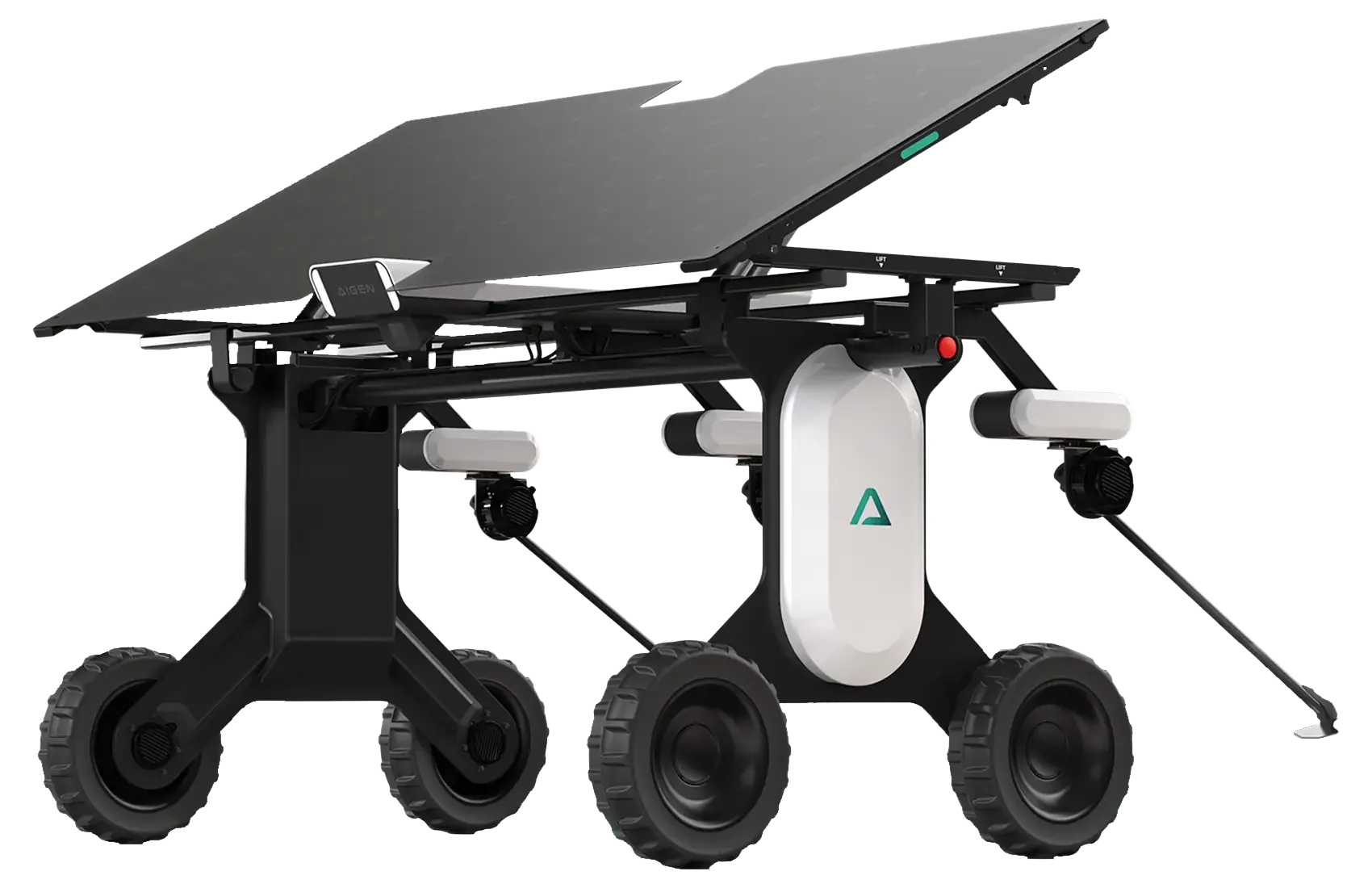 AgricultureRugged brackets, frames and diesel fuel tanks built for dust, weather and hard work.
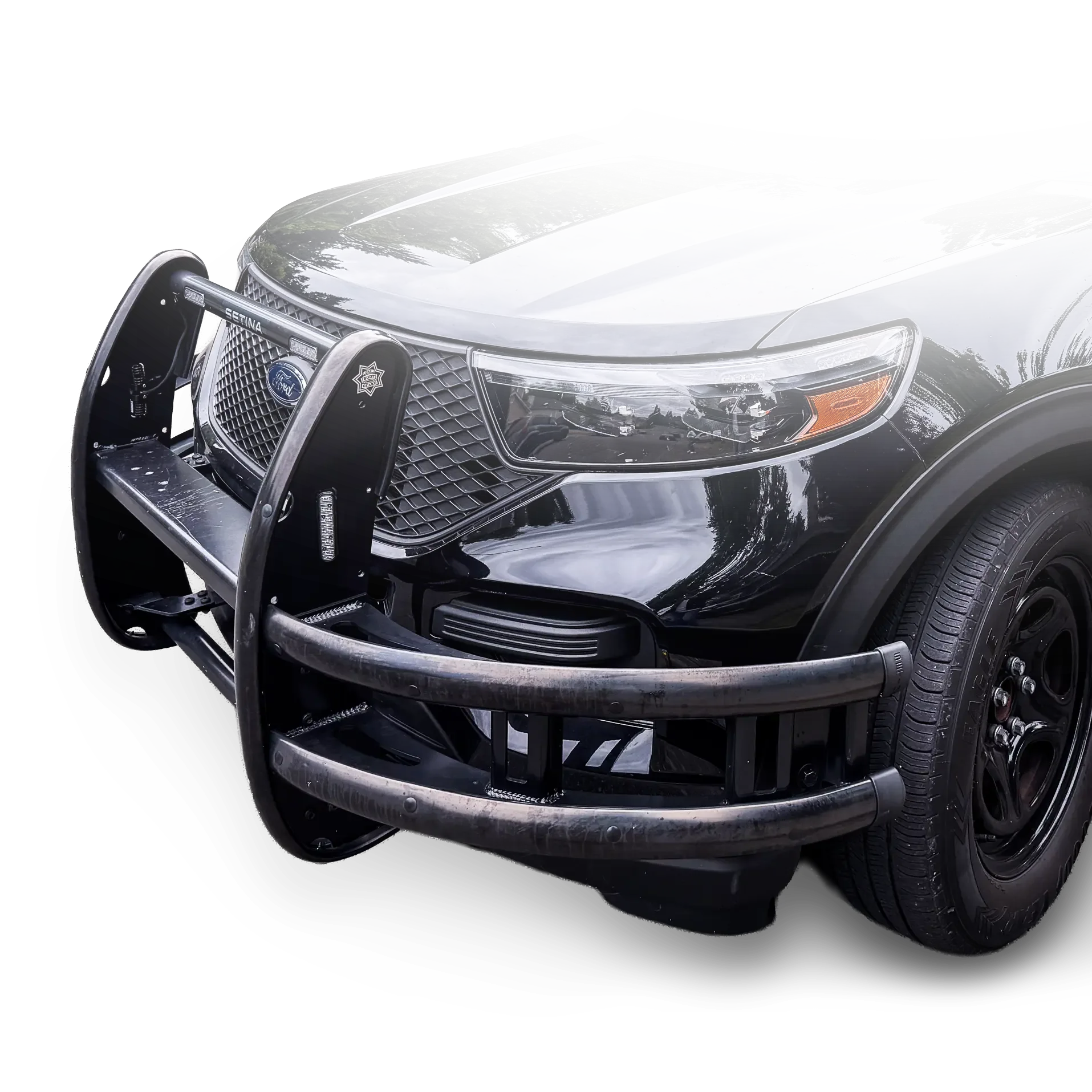 AutomotiveParts and systems for municipal and trades fleets, custom chassis and off-road brands.
- AerospaceTooling, fixtures and more for secondary and tertiary aerospace suppliers.
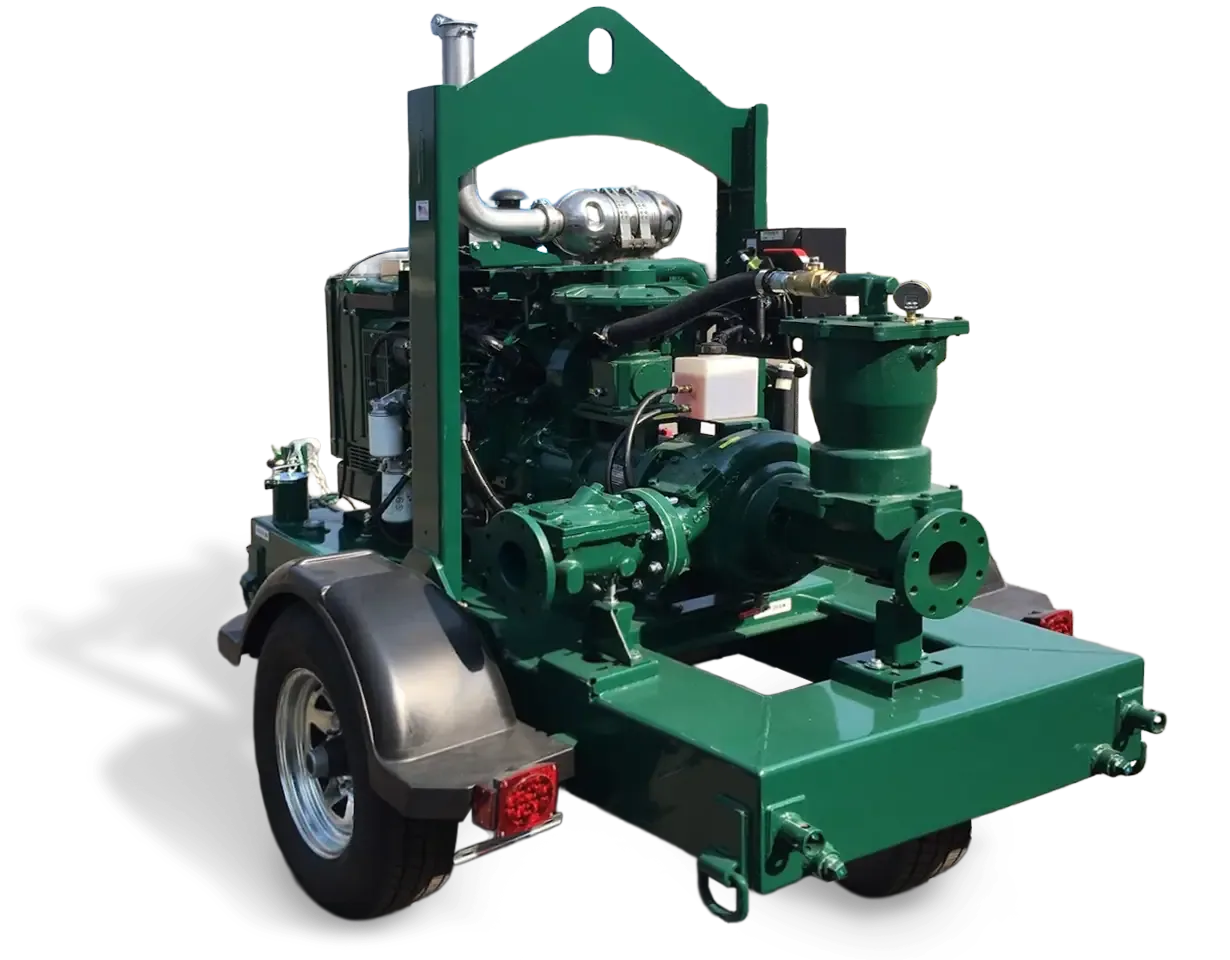 EnergyOilfield skids, site shelters and renewable brackets built for the field.
- CapabilitiesLaser cutting, machining, forming and welding in Auburn, WA, with finishing through trusted partners.
FAQs
Are your marine fabrication parts & weldments made in the USA?
Can I talk to someone before I send in a drawing?
How can marine contractors control costs without compromising durability?
Is American-made fabrication competitive for marine parts?
What’s the best metal for marine — stainless or aluminum?
Do laser-cut marine parts need edge finishing?
What kind of project size do you handle for marine builds?
What are the best coatings for metal in marine applications?
What certifications support marine-quality fabrication?
At LCNW, we follow rigorous internal QA practices and are always seeking ways to improve. We take pride in catching non-conformances before they ever leave the building.
What should be included in a shop drawing?
– Part name or drawing number
– Revision level
– Material type
– Dimensions and tolerances
– Hole placements and bend details
– Secondary processes (e.g., tapping, machining, countersinking)
– Weld symbols and locations
– Hardware callouts
– Bill of Materials (BOM) for assemblies
– Finish requirements (e.g., powder coating, plating)
– Notes or flags for any critical features or inspection points