
ENERGY EQUIPMENT OEM FABRICATION
Energy: Gas, Mining, and Renewables
LCNW is a manufacturing partner for the Energy Sector around the NW United States.

What LCNW customers say
“LCNW is a valued partner ... and I could not ask for a better working relationship.”
- James M. | Fabrication Sales
Energy Manufacturing
Your partner for manufacturing:
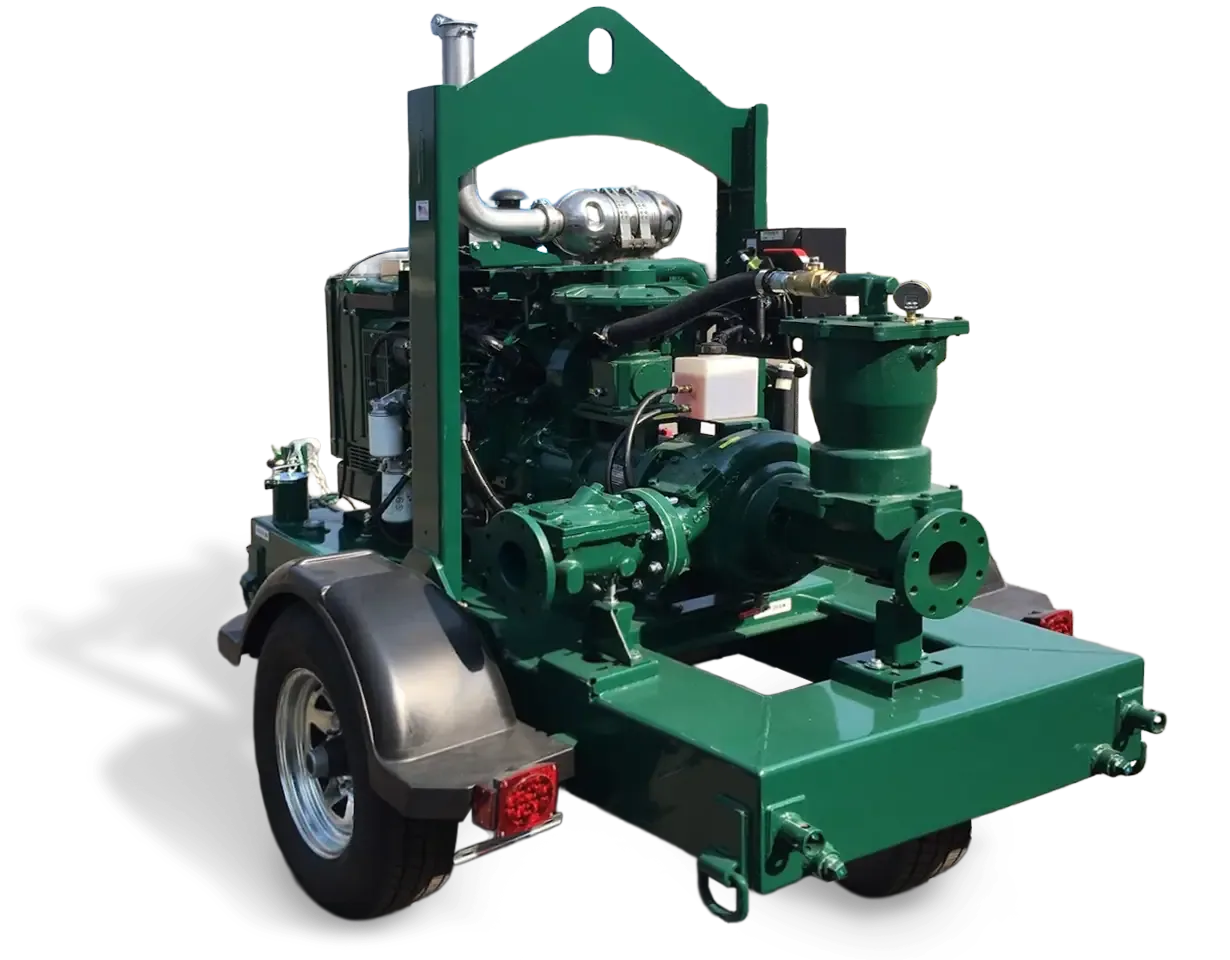
- Oilfield skids and frames
- Welded site shelters
- Mining infrastructure
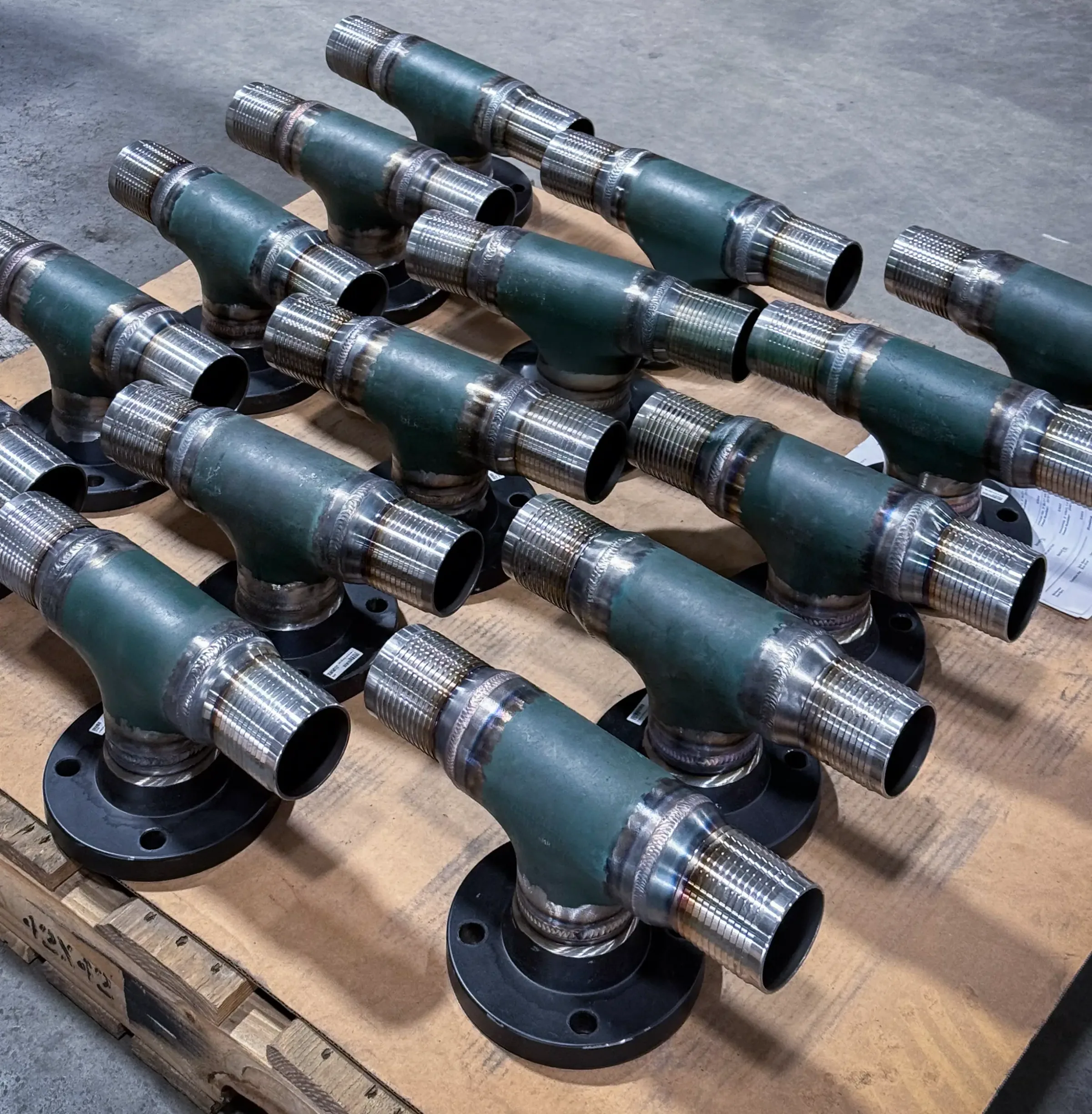
- Renewable equipment supports (wind/solar)
What types of energy companies do we work with?
LCNW supports a wide range of companies in the energy sector, including:
- 01Oil & gas
Oil and gas firms that need precision-cut structural components, skid assemblies, and equipment enclosures built to spec
- 02Mining
Mining equipment manufacturers requiring durable, corrosion-resistant parts for harsh environments
- 03Renewables
Renewable energy companies sourcing parts for solar panel frames, wind turbine brackets, battery housing, and power electronics enclosures
- 04Geothermal & hydro
Geothermal and hydroelectric system builders needing custom-fabricated mounting systems, flanges, and flow control housings
- 05Storage & distribution
Energy storage and distribution companies looking for repeatable, production-grade metal components with tight tolerances
- 06Don’t see your team here?
If you buy cut, formed or welded metal parts, send us a drawing and we’ll tell you how we’d build it.
Start a quote →
What our LCNW customers say
“They take pride in their work, and it shows in the finished product.”
- Jeff E. | Mechanical Engineer
Architectural Manufacturing
Built for Harsh Environments. Ready for Field Use.
In energy work, failure isn’t an option. Whether it’s extreme temperatures, corrosive environments, or high-stress loads — your parts need to perform. That’s where LCNW comes in. We’re a partner who understands how energy systems get built, installed, and maintained — from oil and gas infrastructure to wind farms and nuclear facilities.. We work side-by-side with engineers, project leads, and procurement teams to keep timelines tight and standards high.
Our in-house capabilities include:
- Material sourcing from vetted U.S. mills and distributors
- Metal components for enclosures, skids, and panels
- High-precision CNC milling for mating parts and critical hardware
- AWS compliant structural and enclosure welding
- Protective coatings for outdoor or corrosive use
- Kitting, labeling, and packaging for smooth site installation
American Fabrication for Energy Systems
Everything we build is made in the U.S., with proven processes for quality and repeatability. Whether you’re sourcing replacement parts or gearing up for a large-scale rollout, we’re equipped to handle the load—without compromising on lead time or durability.
- Low-volume runs for pilot builds or retrofit programs
- Full production for energy infrastructure components
- Rapid prototyping for new product development
- DFM (Design for Manufacturability) guidance to reduce cost and complexity
**\
From Renewable Projects to Industrial Power**
We help energy sector teams move faster, meet specs, and stay field-ready. We’ll work with you to get it done right, on-time and within your budget.
Let’s Chat
From first-stage processing to finished assemblies, we’re your partner for contract manufacturing.
Industries we serve
Same shop, other industries
Since 1992, LCNW has run more than 129,000 jobs for over 1,000 customers, from espresso machines to ship interiors. The same 100,000 sq ft shop in Auburn, WA, the same automated lasers and robotic weld cells, and the same ISO 9001 quality system carry a one-off prototype and a national production rollout alike. Whatever your industry, you get a partner that has already solved problems like yours for someone else.
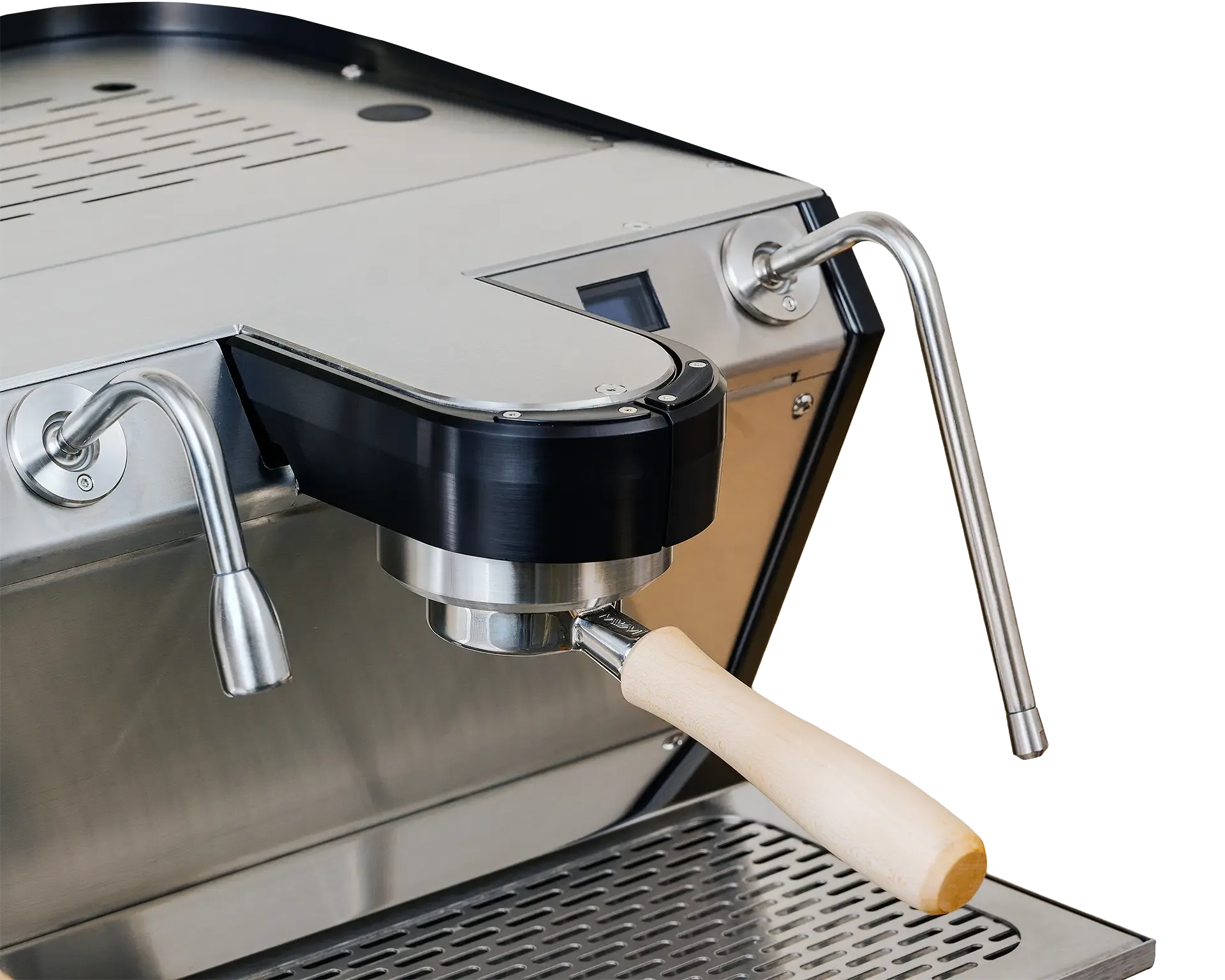 CommercialHigh-volume fabrication for barrier systems, vending enclosures, chassis, and machine housings.
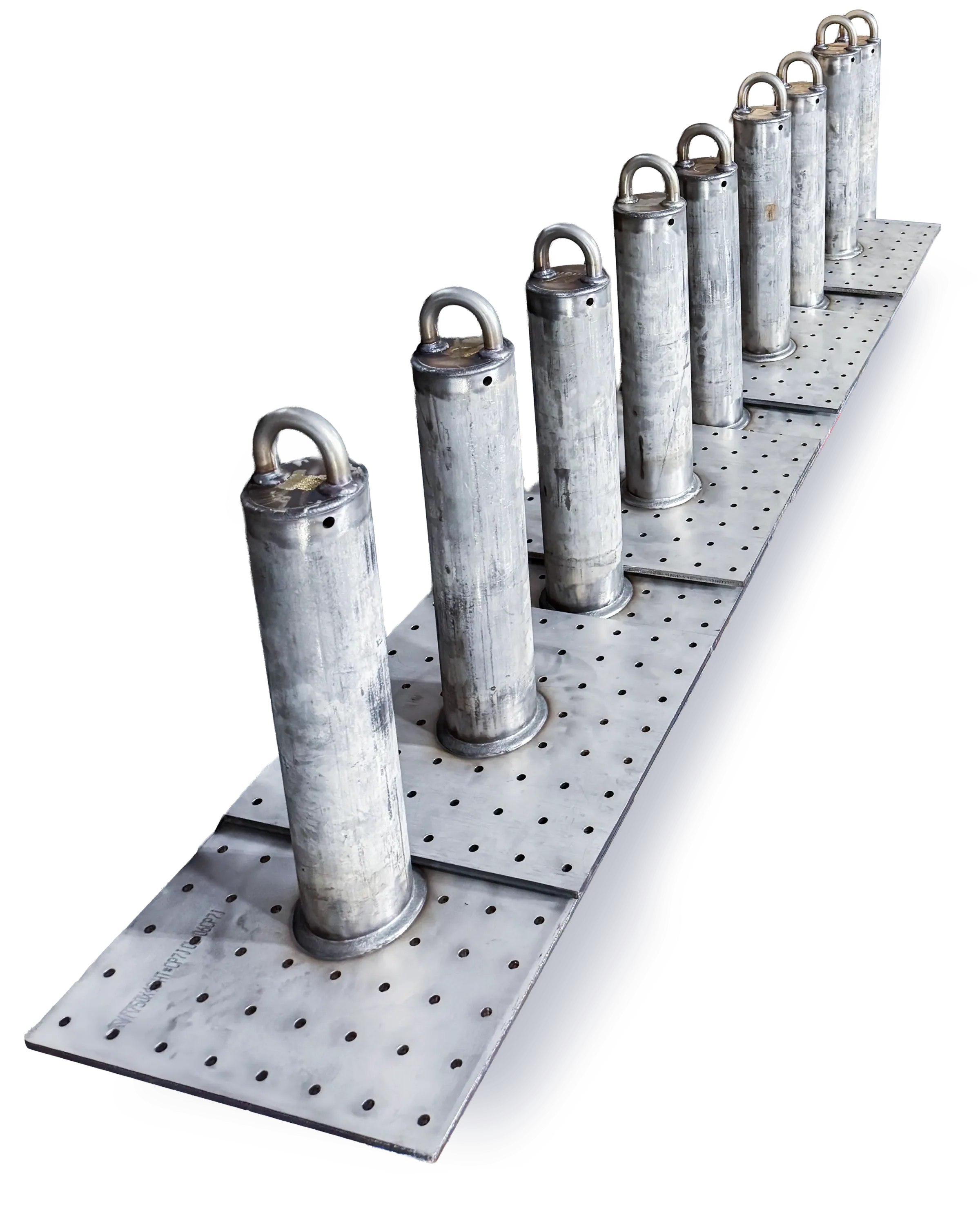 ConstructionSteel structures, power unit skids and safety products, welded for strength.
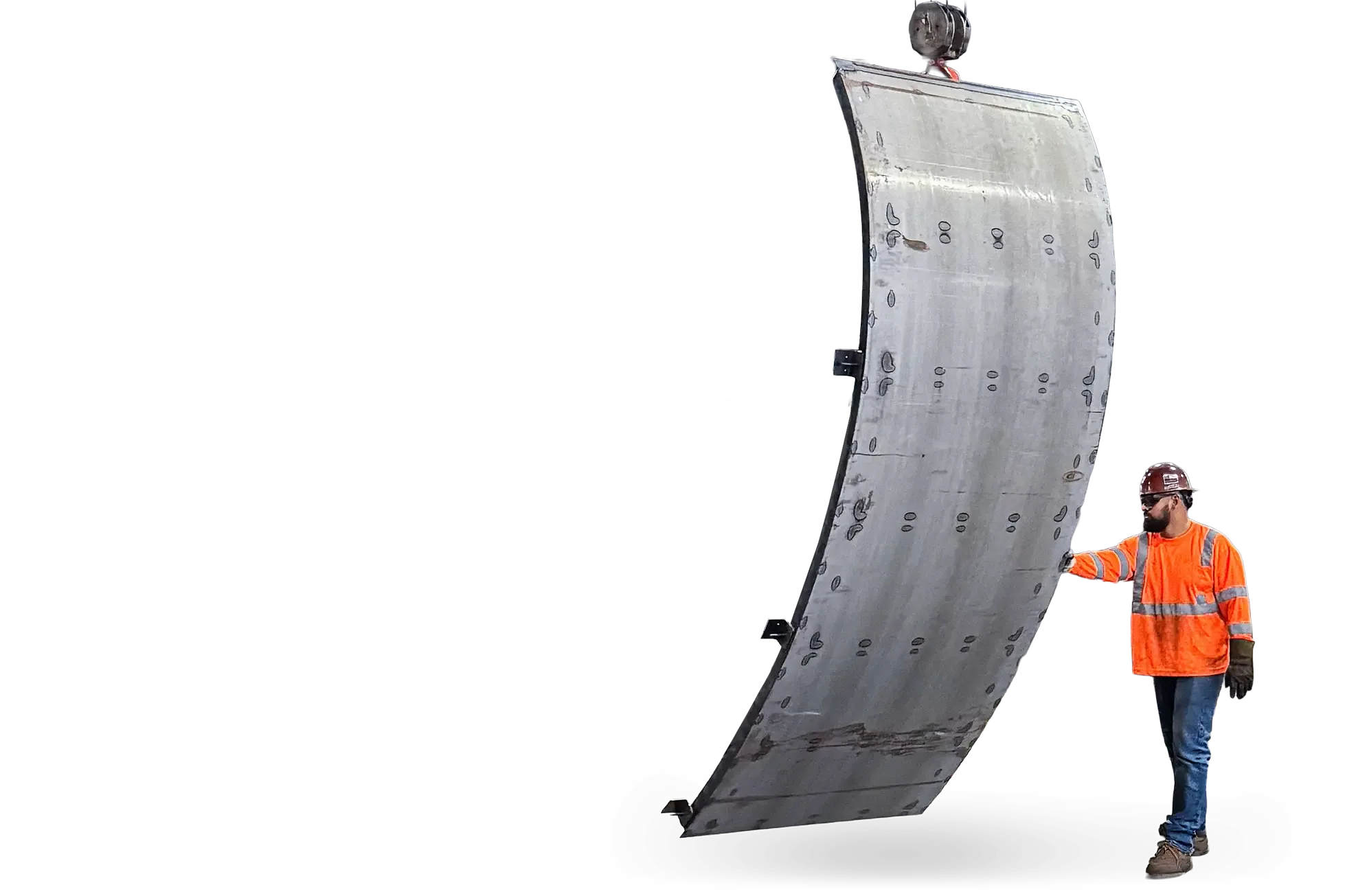 ArchitecturalPrecision-cut panels, formed components, structural steel and welded assemblies, to spec.
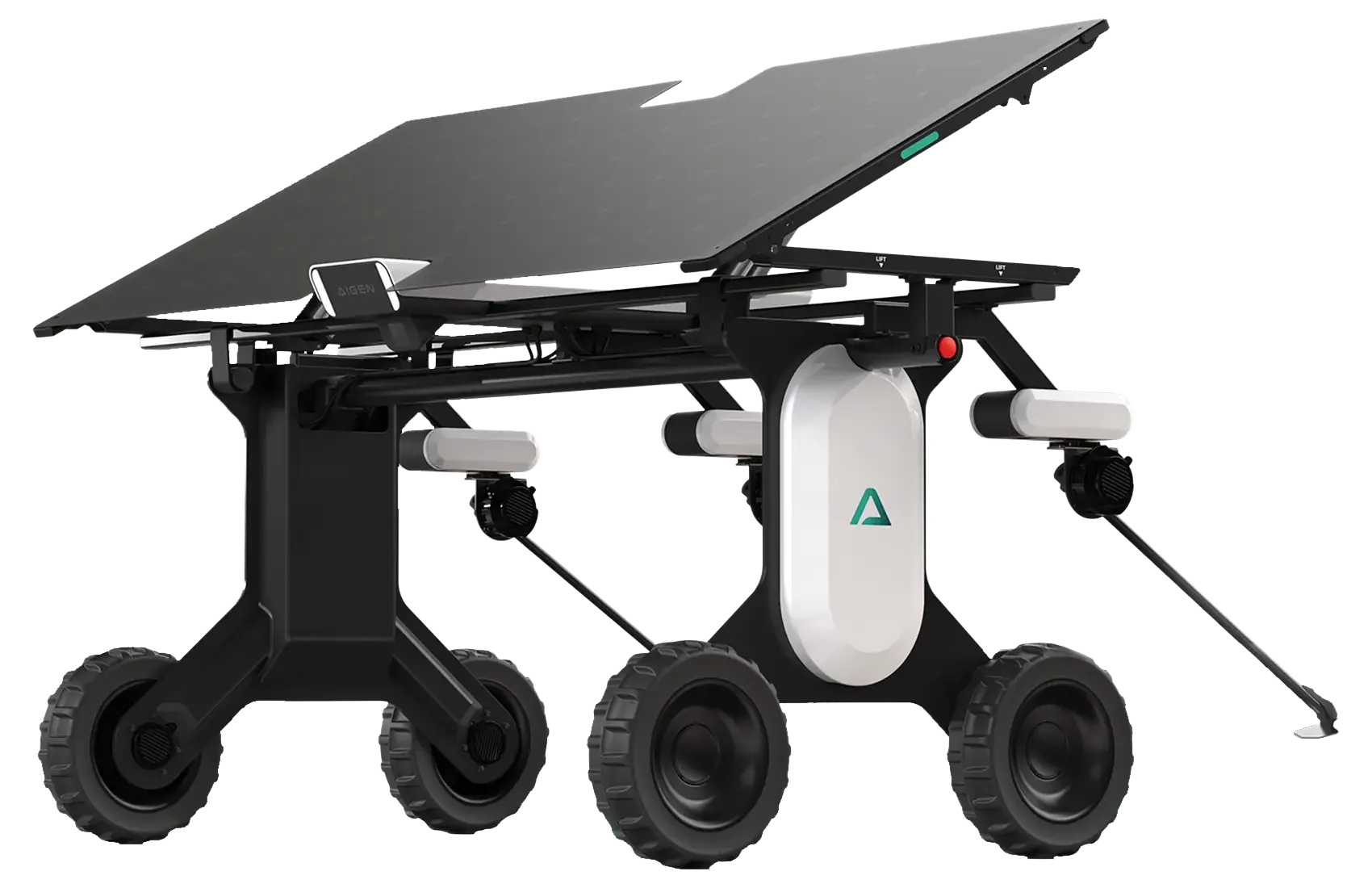 AgricultureRugged brackets, frames and diesel fuel tanks built for dust, weather and hard work.
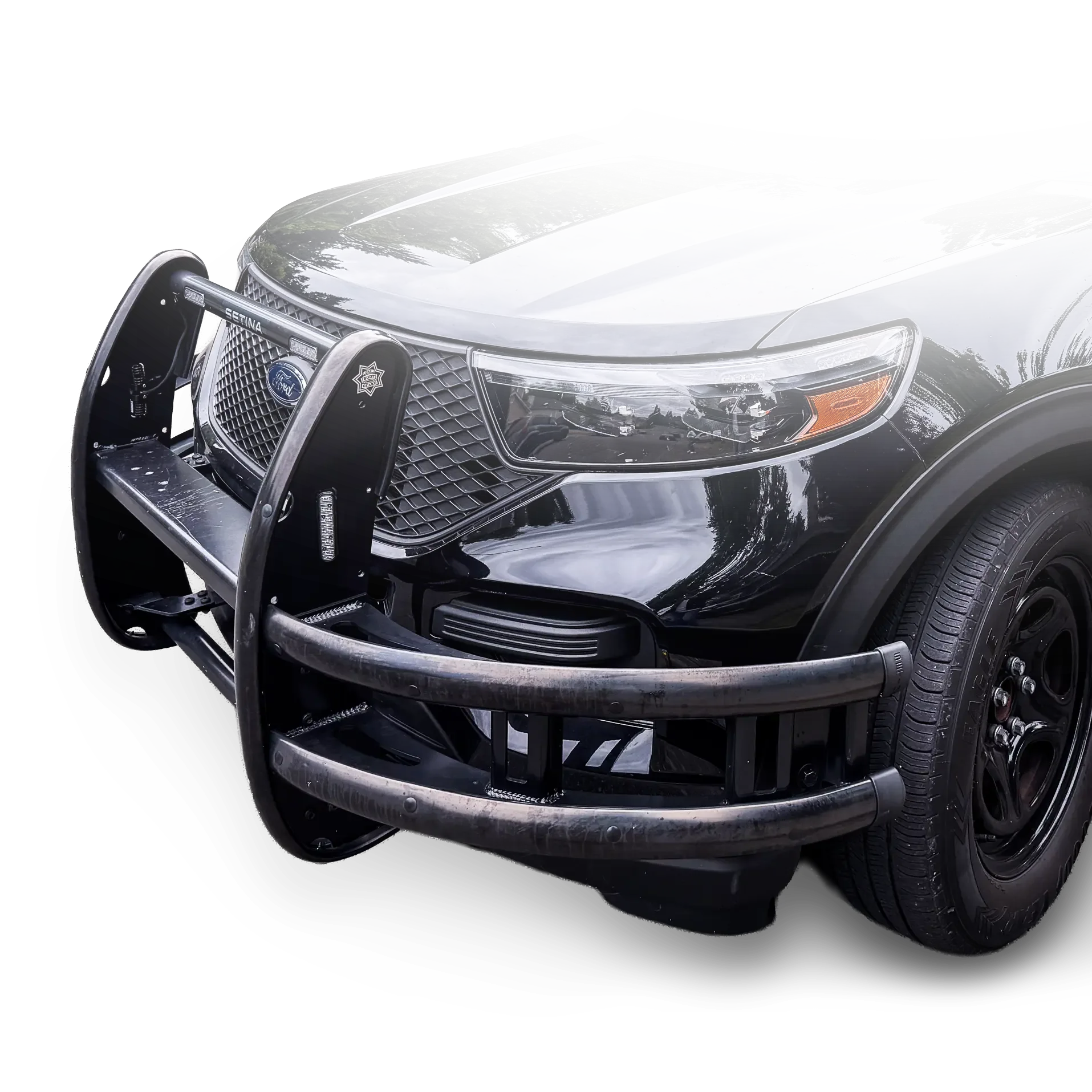 AutomotiveParts and systems for municipal and trades fleets, custom chassis and off-road brands.
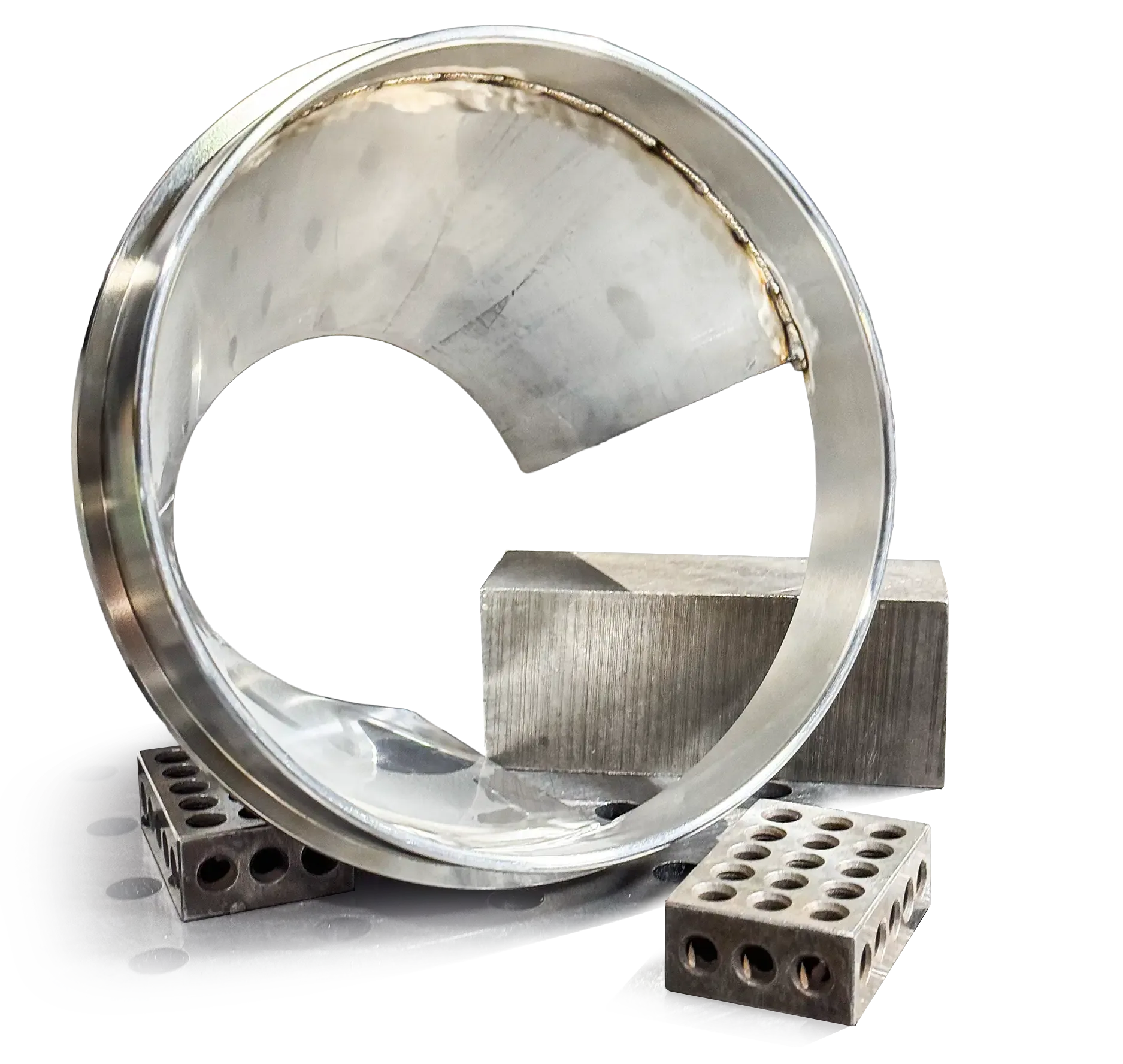 AerospaceTooling, fixtures and more for secondary and tertiary aerospace suppliers.
 MaritimeFish processing equipment, storage tanks and ship interiors for saltwater service.
- CapabilitiesLaser cutting, machining, forming and welding in Auburn, WA, with finishing through trusted partners.
FAQs
Are your parts made in the USA?
Can I talk to someone before I send in a drawing?
What should I include in a shop drawing for energy projects?
– Part name or drawing number
– Revision level
– Material type
– Dimensions and tolerances
– Hole placements and bend details
– Secondary processes (e.g., tapping, machining, countersinking)
– Weld symbols and locations
– Hardware callouts
– Bill of Materials (BOM) for assemblies
– Finish requirements (e.g., powder coating, plating)
– Notes or flags for any critical features or inspection points
Do you support large or repeat production runs for energy components?
Do you work with renewable energy firms?
Can fabricated parts be powder coated or plated for corrosion resistance?
What kind of volume qualifies as a production run?
Do you offer prototyping for energy system components?
What certifications matter in energy fabrication (ISO, AWS, etc.)?
At LCNW, we follow rigorous internal QA practices and are always seeking ways to improve. We take pride in catching non-conformances before they ever leave the building.