
FARMING EQUIPMENT FABRICATION
Agricultural Fabrication
LCNW is your partner for farming & agricultural equipment fabrication serving North America.

What our customers say:
LCNW offers fast, competitive quotes, high-quality work, on-time delivery, cutting-edge manufacturing technology, and a top-notch team throughout the company at all levels.
- Mike T. | Production Manager
Manufacturing
Your Farming Partner:
- Reliable forming, cutting, and finishing of parts
- Complete weldments built for corrosion resistance, load-bearing strength, and repeatability
- Flexible production runs—prototype to full-scale
- American-made with short lead times and clear communication
What types of agricultural companies do we work with?
LCNW supports manufacturers and suppliers across the agricultural sector, including:
- 01Farm machinery OEMs
OEMs producing farm machinery and implements—like harvesters, planters, and tillage equipment—who need precision-cut structural components
- 02Irrigation systems
Irrigation system manufacturers sourcing corrosion-resistant brackets, frames, and housing components for field use
- 03Retrofit & repair
Agricultural retrofitters and repair specialists fabricating replacement parts or one-off assemblies for aging or custom-modified equipment
- 04Grain handling & storage
Grain handling and storage system manufacturers needing sheet metal enclosures, chutes, or welded supports at production scale
- 05Rural shops & ag distributors
Rural fabrication shops and ag distributors looking for a reliable partner for laser cutting, forming, and welding on repeat part runs
- 06Diesel & hydraulic tanks
OEMs of diesel and hydraulic tanks who require fully welded, pressure-tested, and installation-ready assemblies
What our LCNW customers say
“LCNW is a valued partner … and I could not ask for a better working relationship.”
- James M. | Fabrication Sales Manager
Manufacturing
Capabilities
Parts, Weldments, and More
Since 1992, LCNW has been committed to leading in precision parts manufacturing. We do this by integrating advanced technology — from automated material handling to high-speed cutting systems — to streamline production and elevate quality.
Farm Machinery Metal Parts. Cut, Formed, Finished.
LCNW partners with agricultural manufacturers and OEMs to deliver rugged, production-ready metal parts for farm machinery, implements, storage systems, and enclosures. From heavy-duty brackets to formed panels and welded assemblies, we offer a one-stop solution for cutting, forming, and finishing metal components that stand up to real-world abuse.
What should you look for in a contract manufacturer for agricultural equipment?
When choosing a contract manufacturer for agricultural equipment, it’s important to look for a partner who understands the demands of farming environments and the performance requirements of heavy-duty machinery. The ideal fabrication partner should offer:
- Full-service capabilities, including cutting, forming, welding, and finishing—so you’re not coordinating multiple vendors.
- Experience with durable materials like mild steel, stainless steel, and aluminum that can withstand exposure to moisture, dust, and vibration.
- Tight quality control and repeatability, especially for OEMs who need parts that perform consistently across large production runs.
- Flexibility for prototypes and short runs, since ag equipment often requires custom adaptations or low-volume parts.
- Lead time reliability, because delays can affect seasonal operations and equipment readiness.
- Clear communication and support, from quoting through delivery.
LCNW meets these needs by offering turnkey metal part production tailored to agricultural applications—ensuring rugged performance, fast turnaround, and simplified supply chains for equipment manufacturers and repair operations alike.
Let’s Chat
From first-stage processing to finished assemblies, we’re your partner for contract manufacturing.
Industries we serve
Same shop, other industries
Since 1992, LCNW has run more than 129,000 jobs for over 1,000 customers, from espresso machines to ship interiors. The same 100,000 sq ft shop in Auburn, WA, the same automated lasers and robotic weld cells, and the same ISO 9001 quality system carry a one-off prototype and a national production rollout alike. Whatever your industry, you get a partner that has already solved problems like yours for someone else.
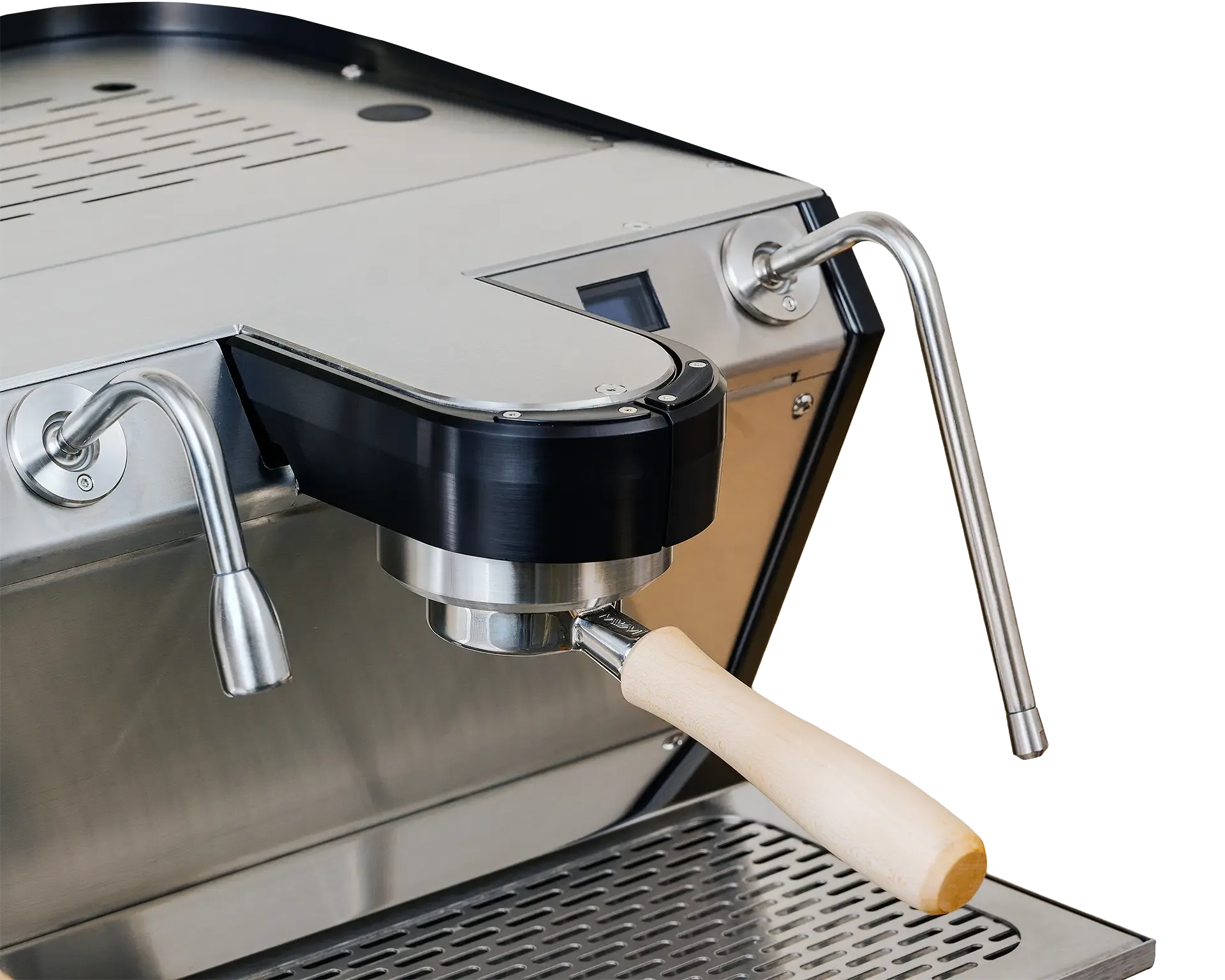 CommercialHigh-volume fabrication for barrier systems, vending enclosures, chassis, and machine housings.
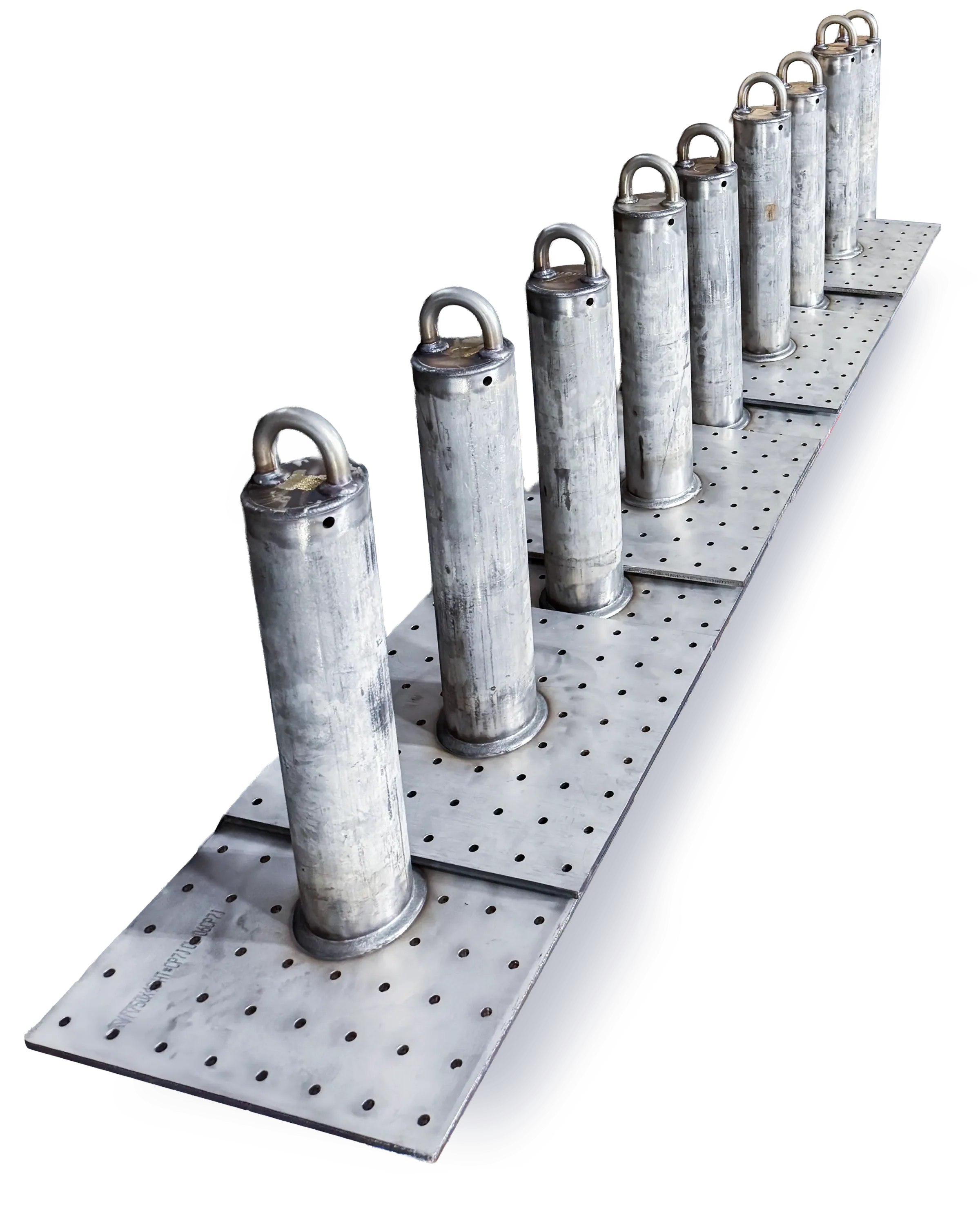 ConstructionSteel structures, power unit skids and safety products, welded for strength.
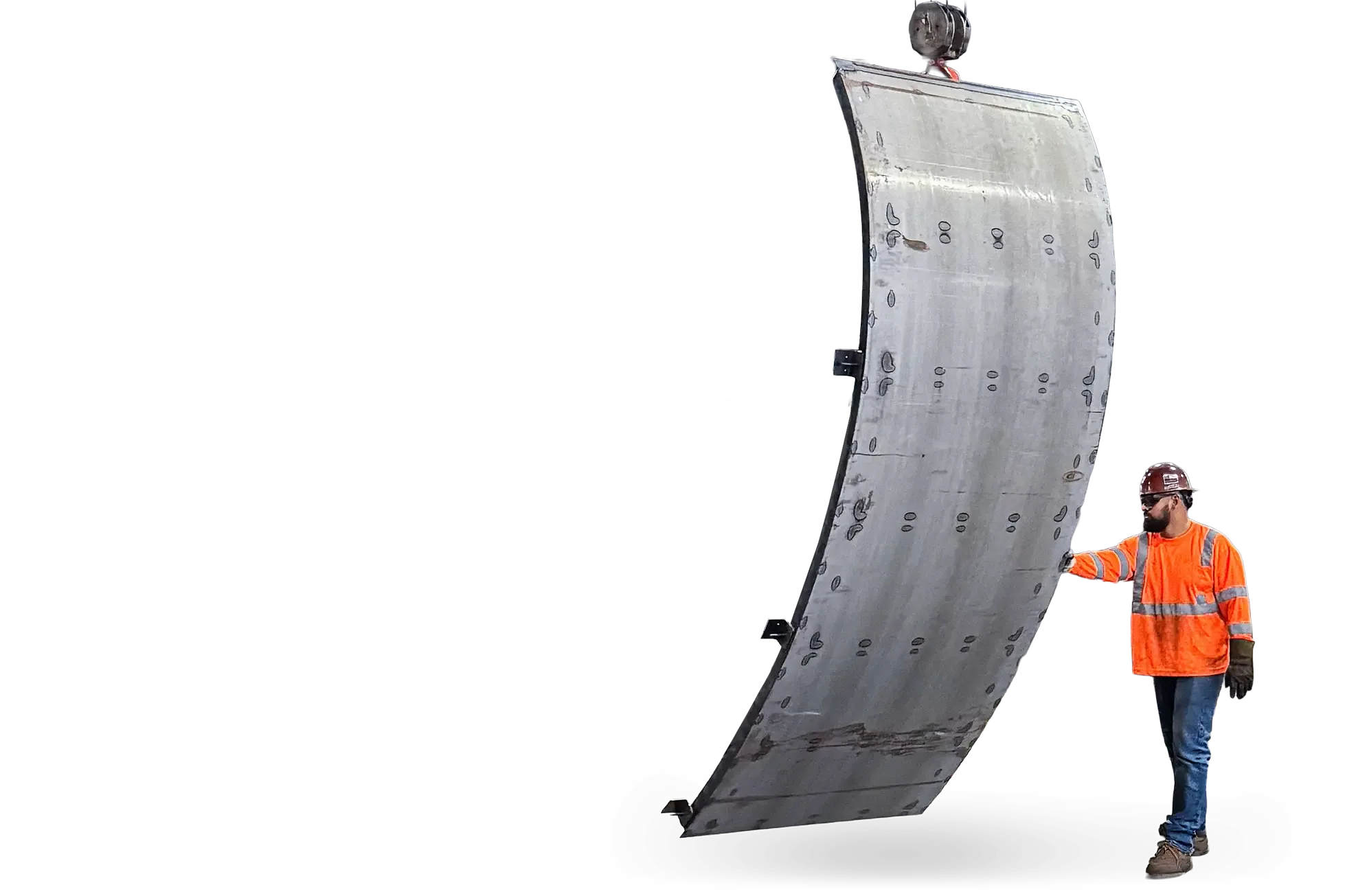 ArchitecturalPrecision-cut panels, formed components, structural steel and welded assemblies, to spec.
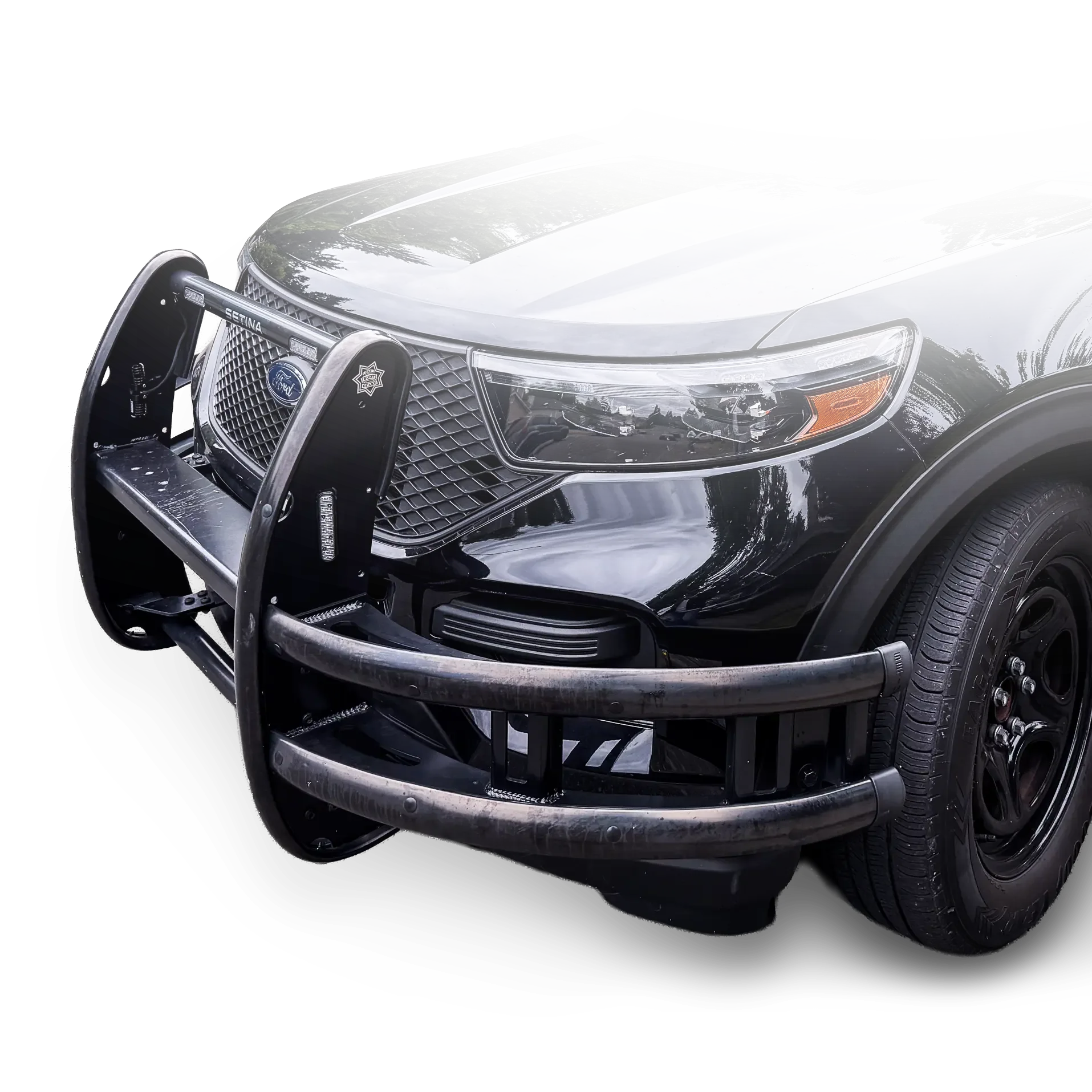 AutomotiveParts and systems for municipal and trades fleets, custom chassis and off-road brands.
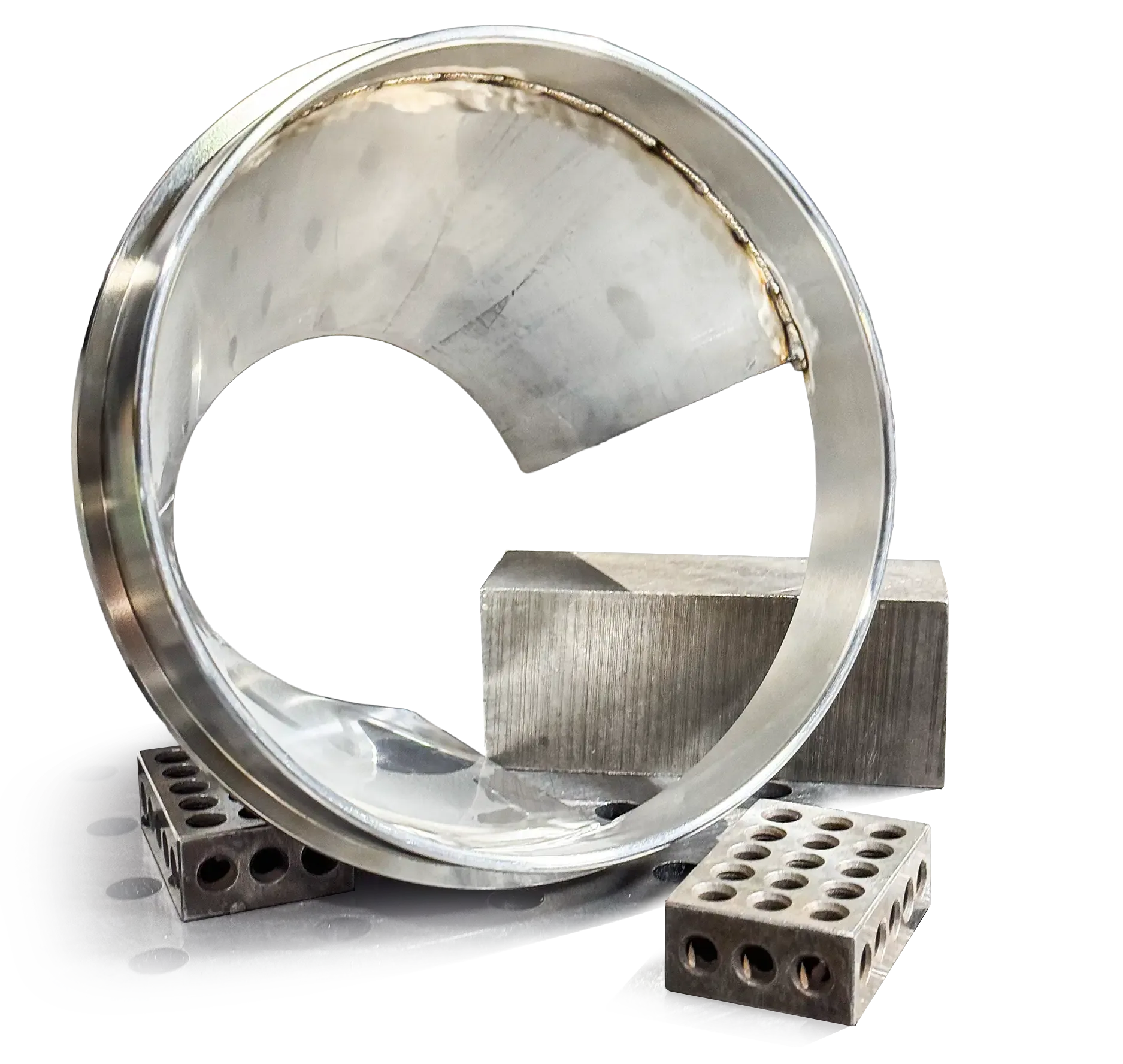 AerospaceTooling, fixtures and more for secondary and tertiary aerospace suppliers.
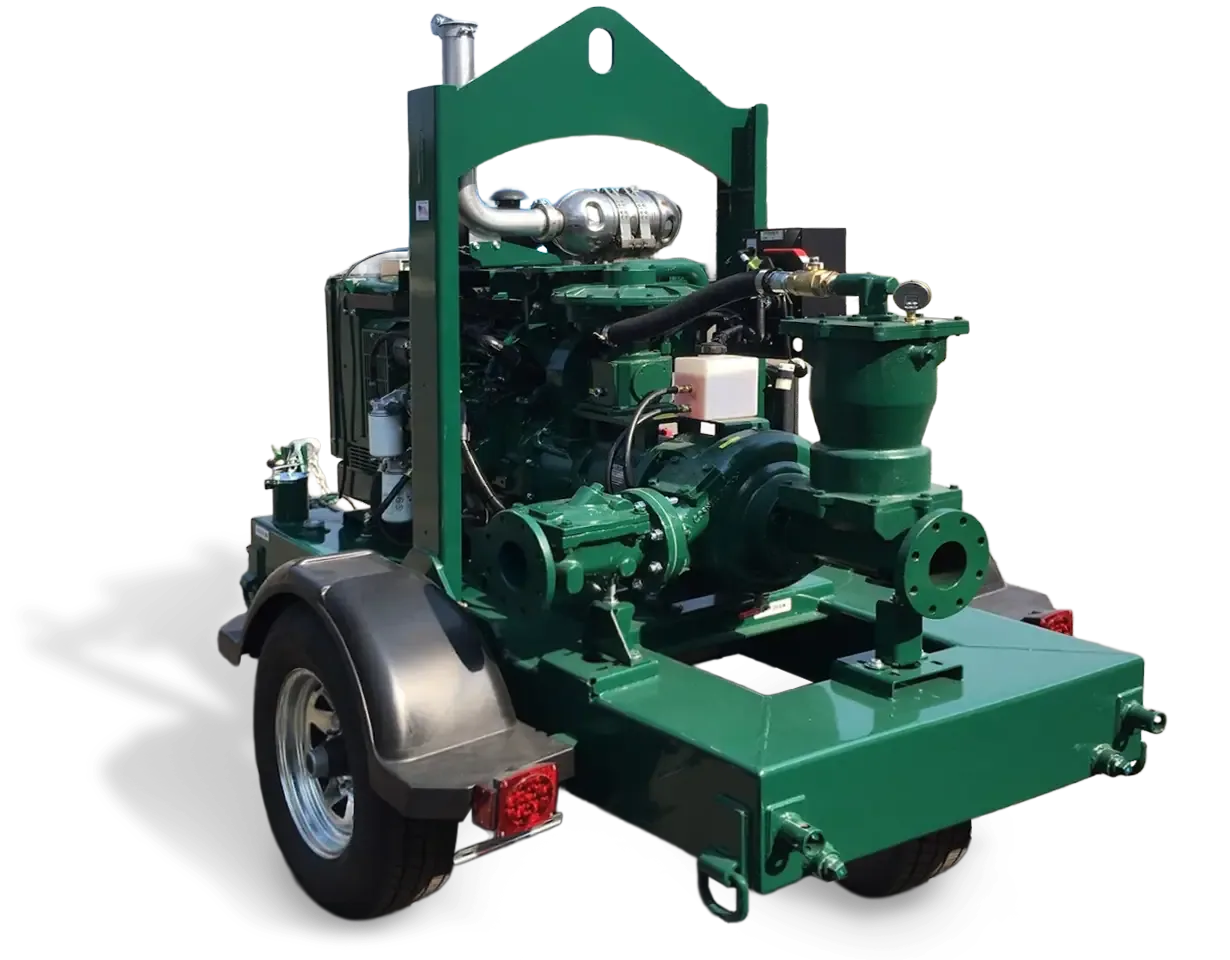 EnergyOilfield skids, site shelters and renewable brackets built for the field.
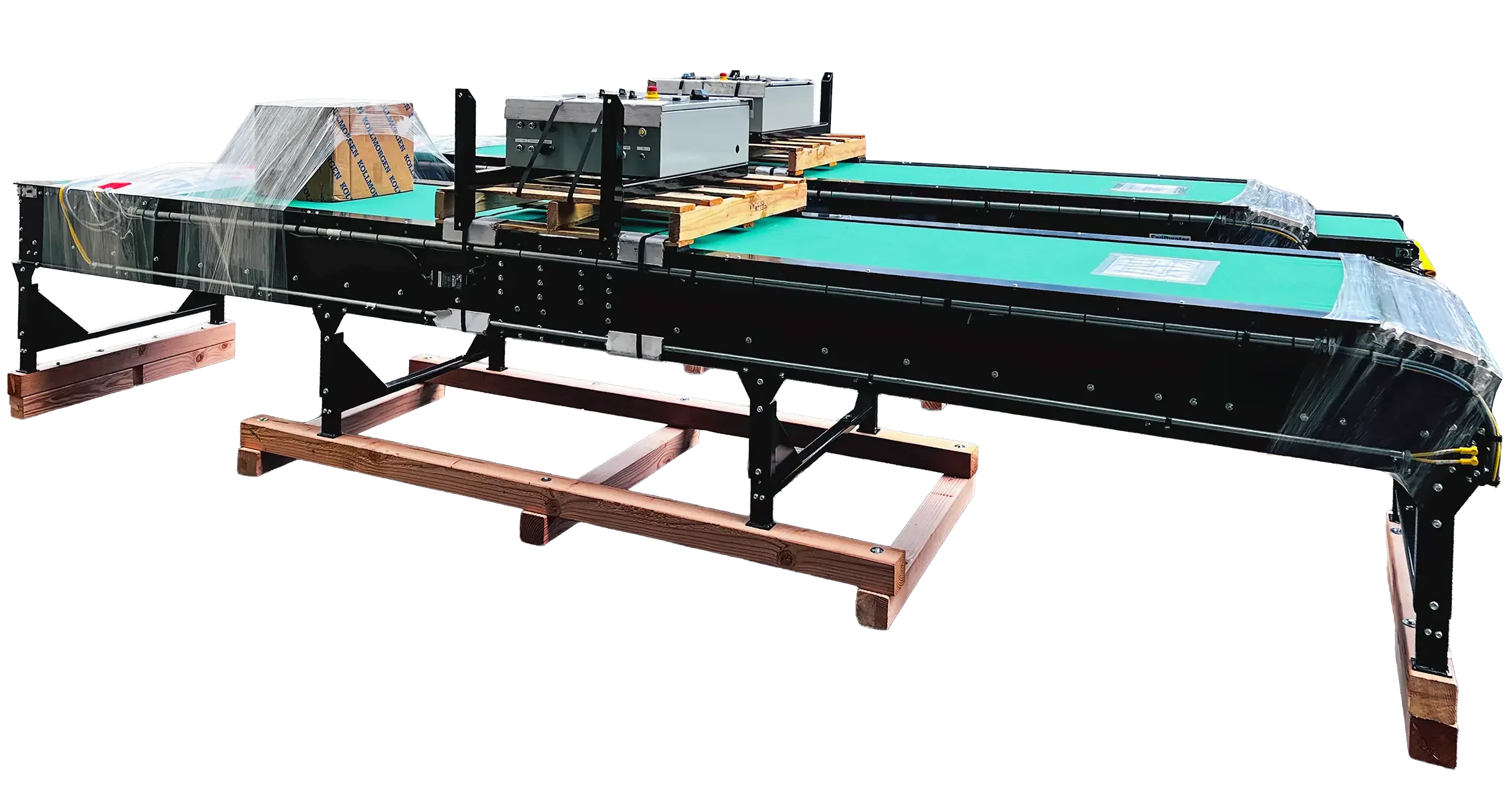 MaritimeFish processing equipment, storage tanks and ship interiors for saltwater service.
- CapabilitiesLaser cutting, machining, forming and welding in Auburn, WA, with finishing through trusted partners.
FAQs
What is agricultural metal fabrication?
Why outsource fabrication for ag equipment?
What types of agricultural parts do you fabricate?
Do you work with heavy-gauge materials?
What industries overlap with agricultural fabrication?
What should I include in shop drawings for ag parts
– Part name or drawing number
– Revision level
– Material type
– Dimensions and tolerances
– Hole placements and bend details
– Secondary processes (e.g., tapping, machining, countersinking)
– Weld symbols and locations
– Hardware callouts
– Bill of Materials (BOM) for assemblies
– Finish requirements (e.g., powder coating, plating)
– Notes or flags for any critical features or inspection points